Soft and Fluffy Parker House Rolls

This post may contain affiliate links, see my disclosure policy for details.
Whether you’re a beginner or a seasoned bread maker, this authentic Parker House Rolls recipe bakes up perfectly every time. Using a secret ingredient, I’ll show you how to make these authentic New England dinner rolls extra fluffy and buttery delicious.

I’ve always felt that yeast was super intimidating to work with and the idea of making bread at home sounded fun, but super out of my legue. But I’m here to tell you making bread is actually WAY LESS scary than I thought.
When I developed this recipe, I wanted to make sure it was easy enough for beginning bakers, but tasted like bakery quality.
This homemade version of the classic New England recipe makes the softest and fluffiest dinner rolls with a slightly chewy (in a good way), buttery top. And the recipe is super forgiving and easy enough for even the most beginner of bakers.
Serve them for everything from a family dinner to a fancy feast. And they’re also great for sandwiches–like lobster rolls!! You’re going to fall in love with these!
Why You’ll Love this Parker House Rolls Recipe
- Authentic New England recipe straight from Boston
- Made with a forgiving dough that is great for beginner bakers
- This recipe makes THE FLUFFIEST, softest dinner rolls.
- Easy to make in advance, as overnight rolls, or frozen before baking.
- A delicious side for so many dinner recipes
- Impressive for entertaining
Ingredients

- Instant yeast– I use instant or “bread machine” yeast, which you can add right to the flour. You can use active dry yeast as well, but you’ll need to bloom it in the milk first.
- Whole Milk
- Large Egg
- Unsalted Butter – melted in the microwave or a small saucepan.
- Bread Flour – this is not the same as all-purpose flour, it has a little extra protein.
- Nonfat Dry Milk Powder – this is the secret ingredient for tender and fluffy rolls.
- Coarse Kosher Salt
- Granulated Sugar
- Egg Wash– One large egg + milk
- Flaky Sea Salt
This recipe has been adapted from King Arthur’s White Sandwich Bread recipe.
Step by Step Instructions
This is a step-by-step overview of how to make these homemade bread rolls. The extra detailed instructions are below in the recipe card.
Before Beginning: If you’re using active dry yeast, the first step is to add it to the lukewarm milk and stir lightly once. Let the yeast and milk sit at room temperature for 5 minutes, until the yeast blooms. This means the yeast mixture has bubbled and expanded. If you’re using instant yeast, you can skip this step and add it right to the flour mixture.
Step 1
Measure out the flour and add to the bowl of a stand mixer.
Step 2


Add the remainder of the ingredients to the flour. Mix ingredients on low speed with a dough hook, for 90 seconds until combined.
Step 3

Turn the mixer up to medium speed and knead everything together until the dough barely clears the sides of the bowl, but is still sticking to the bottom. In a stand mixer, it should take about 7-8 minutes.
Tip: Do not be tempted to add more flour to the bowl! It will look sticky, but that’s what you want.
Step 4


Sprinkle your worktop lightly with flour and turn out the dough from the mixing bowl to the lightly floured work surface. Knead the dough on the lightly floured surface until it resembles a smooth ball. The dough should be very soft, but not sticky.
Step 5

Place the dough ball in a lightly greased bowl. Cover the bowl, and allow the dough to rise at room temperature until it’s nearly doubled in size. Rising may take longer, the house is super cold.
Shaping The Parker House Rolls And Second Rising
Step 6


Once the dough has doubled, gently deflate the dough.

Divide into 16 equal (as best you can) pieces.

Pinch each chunk of dough into a mound.

Then roll each piece of dough under your hand on the worktop, into smooth, round, balls.

Flatten each ball of dough to 1/4″ thick and 3 1/2″ wide circle.

Use your finger or a wooden spoon to flatten a crease across the middle of the dough.


Brush the dough with melted butter and fold in half on the crease you made.

Gently press the rolls to adhere the two halves together. This is what gives Parker House Rolls their signature shape.
Tip: if the dough is giving you a hard time, let it rest for 10-15 minutes to keep it from stretching back on you.
Step 7

Line up your rolls in a 13×9″ pan or on a baking sheet with parchment paper. You’ll arrange 3 – 4 rows of rolls in the pan. You may need to wedge in a roll or two sideways.
Brush the tops of each roll with the remaining melted butter. Cover the baking dish with a strip of greased plastic and allow the bread to rise until puffy. It may rise more slowly if the house is super cold.

Hint: The rolls are ready to bake when you poke the dough with a finger and the indent remains and doesn’t spring back immediately.
Baking The Rolls
Step 8
While the dough is rising, preheat the oven to 350°F and make the egg wash.

Brush the rolls with the egg wash and sprinkle everything with a teaspoon of flaky salt.

Bake the rolls for 20-25 minutes until the crust is golden brown and the interior temperature measures 190°F on a digital thermometer.
Serve warm and enjoy!
Tips & Tricks
- The instant milk powder adds extra protein to the dough. This is the secret ingredient to perfectly tender and fluffy rolls!
- During mixing, the dough will be very soft, but not sticky.
- Avoid adding too much flour to the table while kneading or shaping the dough. Excess flour will make the dough dry.
- Bread flour is the best flour for this recipe. It has extra protein, making a sturdier dough and it gives the rolls a chewy crust and fluffy texture.
Substitutions & Variations
- Flour: All purpose flour can be used in place of bread flour, but the texture won’t be as chewy
- Egg wash: Omit the egg wash step before baking or brush the rolls with milk/cream if you don’t want to use eggs.
- Yeast: Active dry yeast or Instant (bread machine) yeast can be used. Active dry yeast will need to be bloomed in the milk first, but instant yeast can be added right to the flour mixture.
- Herbs: Fresh, finely minced herbs can be added to the dough for extra flavor
- Flavored butter: Brush the outside of the rolls with garlic butter or honey butter for extra flavor!

How to Store Leftover Dinner Rolls
Store leftover rolls in an airtight container or wrapped really well in plastic wrap at room temperature. Rolls are best used within 2-3 days and reheated before serving.
How To Reheat Rolls
To bring baked rolls back to their fluffy glory, heat them up in a 350°F oven for 10-15 minutes until warmed through and soft. You can also warm the rolls in the air fryer at 300°F for 5 minutes.
Make Ahead Parker House Rolls
You can prepare these rolls a day in advance and store them in the refrigerator overnight until ready to bake.
- After the first rise, shape the dough, place the rolls in the baking dish and brush with butter., Wrap the pan in plastic and store it in the fridge before the second rising.
- The next day, take the rolls out of the fridge 60-90 minutes before baking, brush them with the egg wash, and sprinkle with salt.
- The rolls will be ready to bake when they are puffed and don’t spring back when poked.
- Bake per recipe instructions.
Freezing Instructions
To Freeze Before Baking – After the first rising, shape the dough, place the rolls in the baking dish, and brush with butter. Wrap the pan in a double layer of plastic wrap and a layer of tin foil and freeze for up to a month.
A full day before you plan to bake them, let the rolls thaw completely in the fridge. This will take 8-12 hours.
On the day of baking, take the rolls out of the fridge and take off the tin foil and one layer of plastic wrap. Place the rolls in a warm spot at room temperature for 3-4 hours, until they have puffed and don’t spring back when poked. Brush the tops of the rolls with egg wash and sprinkle with salt. Bake per the recipe instructions.

Serving Suggestions
From soups and salads to mains, these Parker House Rolls pair perfectly with just about everything!
- Creamy Chicken Tortellini Soup
- Authentic New England Fish Chowder
- New England Clam Chowder
- Chicken Sausage Corn Chowder
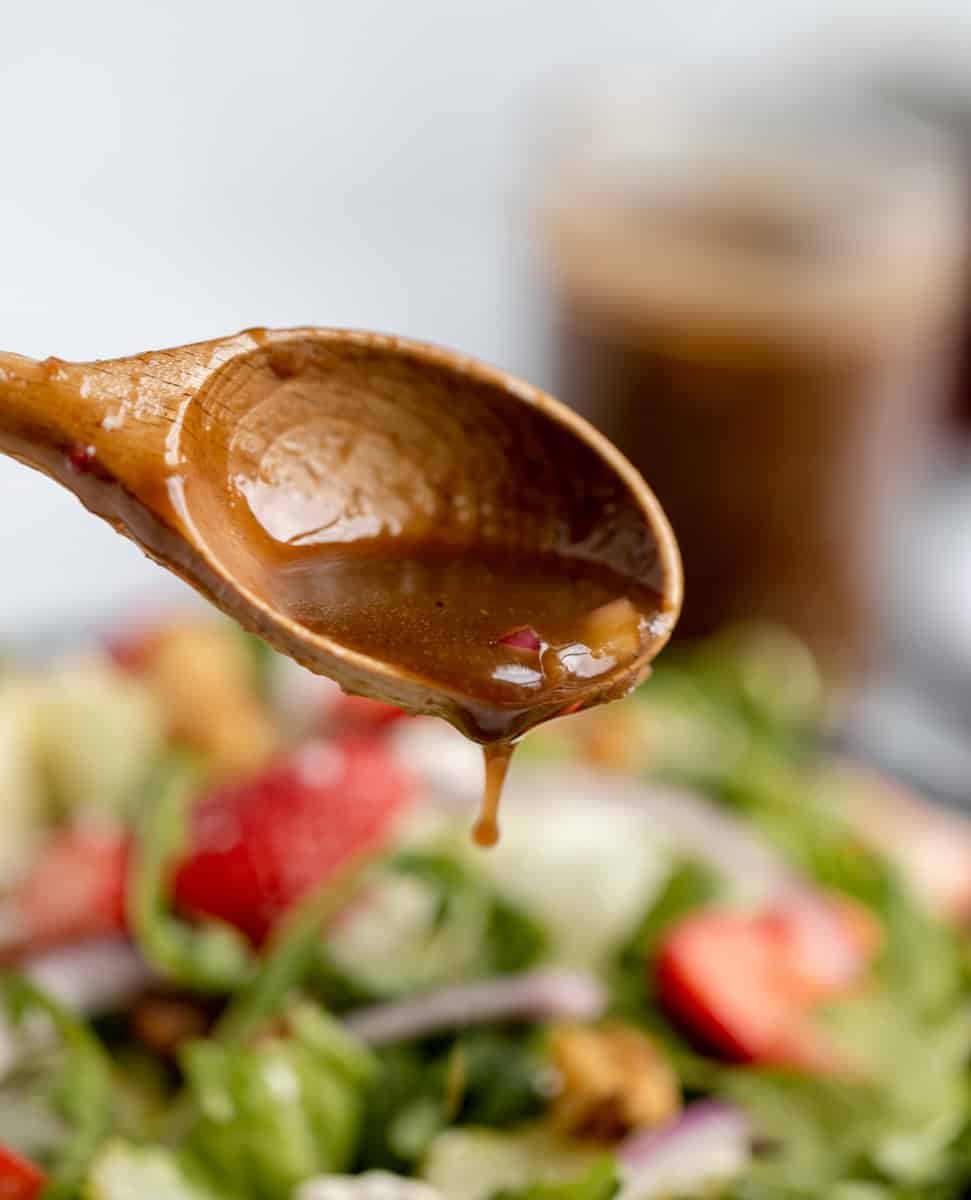
- Apple Walnut Salad
- Air-Fried Fish
- Panko-Crusted Baked Cod
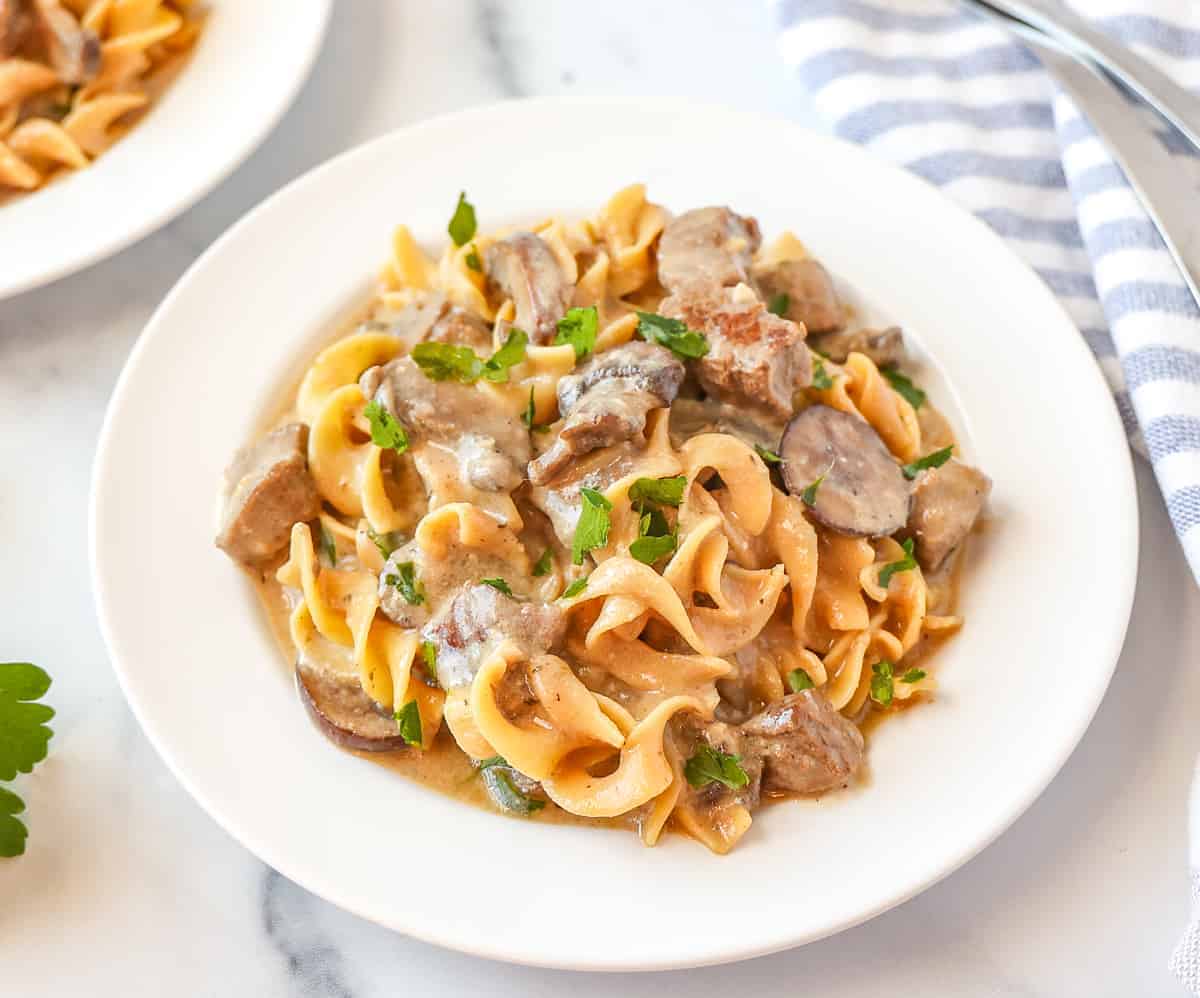
- Healthy Beef Stroganoff
- Baked Chicken Alfredo
FAQs
More Side Dish Recipes


If you make this recipe, give it a 5 STAR Rating and Leave a Comment!
Save This Recipe
Just enter your email below and we will send this recipe right to your inbox, plus we will send more yummy recipes and ideas.
Authentic Parker House Rolls Recipe
Ingredients
- 3 cups bread flour
- 1/4 cup nonfat dry milk powder
- 1 1/2 teaspoons coarse Kosher salt
- 3 tablespoons granulated sugar
- 2 1/4 teaspoons instant yeast
- 1 cup whole milk lukewarm
- 1 egg beaten
- 9 tablespoons unsalted butter divided
Egg Wash (optional)
- 1 large egg
- 2 teaspoons milk
- 1 teaspoon flaky sea salt
Instructions
- If you're using instant yeast, add it right to the flour mixture. If using active dry yeast, dissolve it with the lukewarm milk for 5 minutes until bubbling, the bloomed yeast will go in with the wet ingredients.
- Measure the bread flour by spooning it into a measuring cup and leveling off any excess. Add the flour to the bowl of a stand mixer with the instant milk powder, sugar, salt, and instant yeast.
- Using the dough hook, mix together the dry ingredients at low speed.
- Pour in the milk, beaten egg.
- Melt 6 tablespoons of butter and add it to the mixing bowl with the other ingredients.
- Mix on medium speed and knead everything together until the dough is barely pulling away from the sides of the bowl, but still sticking to the bottom, this takes 7-8 minutes. Do not be tempted to add more flour!
- After mixing, sprinkle the work surface lightly with flour. Scoop the dough out onto the work surface and knead it into a smooth ball. The dough should be very soft, but not sticky.
- Place the dough in a lightly greased bowl and cover the dough with plastic wrap. Allow the dough to rise, at room temperature, for 1 to 1 1/2 hours, or until it's nearly doubled in size. Note: Rising may take longer if the house is super cold.
- Once doubled, gently deflate the dough, and divide into 16 pieces, get that as equal as you can. Pinch the corners of the dough together to make a rough ball, and then roll each piece on the work surface into a smooth ball.
- Next, Flatten each ball of dough to 1/4” thick circle about 3 1/2 “ wide. Use your finger or a wooden spoon handle to make a crease across the middle of the dough. This will keep the rolls from being too thick when folded in half.
- Melt the remaining 3 tablespoons of butter and brush the dough with melted butter. Save any leftover melted butter for the top.
- Fold the dough in half on the crease you made and gently press to adhere the two halves together. Tip: if the dough is giving you a hard time, let it rest for 10-15 minutes to keep it from stretching back on you.
- Line up your rolls in a 13×9″ pan. Arrange 3-4 rows of 4 in the pan, with the long side of the rolls lined up with the long side of the pan. If the rolls don’t all fit that way, fit them in where you can.
- Brush the tops of each roll with the remaining butter. Cover the pan with lightly greased plastic wrap. Let the dough rise until very puffy, and the dough does not spring back when poked–about 45-60 minutes.
- While the dough is rising, preheat the oven to 350°F and mix together 1 egg with 2 teaspoons of milk to make the egg wash.
- Brush the rolls with the egg wash and sprinkle on 1 teaspoon of flaky salt. Bake the rolls for 20-25 minutes until the crust is golden brown, and the interior temperature measures 190°F on a digital thermometer. Serve warm and enjoy!
Notes
Make Ahead Rolls
- Follow the steps up until the part of the second rise. Instead, cover the dish and let sit in the fridge until the next day.
- Take rolls out of the fridge 60-90 minutes before baking to come up to room temperature. They're ready to bake when they've puffed, no longer feel cold, and the dough doesn't spring back when poked.
- Brush the Parker House Rolls with egg wash and bake per the recipe instructions.